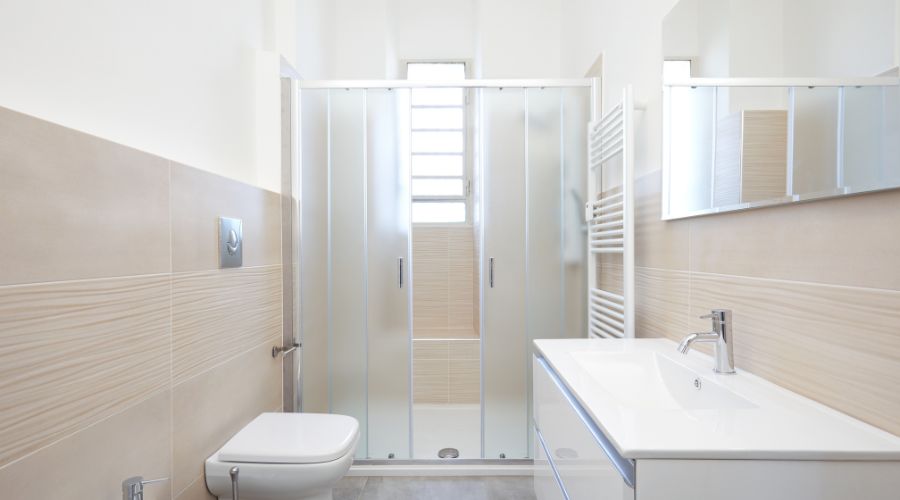

Creating accessible and inclusive spaces through assistive technology in interior design is essential for ensuring that everyone, regardless of their physical abilities, can navigate, use, and enjoy their environment comfortably. Integrating this technology into home and commercial spaces promotes a sense of belonging and independence.
At Sydney Renovation Group, we specialise in providing comprehensive accessibility solutions within our renovation projects. Our team is dedicated to transforming residential, commercial, and government buildings across Sydney’s North Shore, Inner West, and Eastern Suburbs. With extensive experience in adaptive design, we ensure that every space meets the unique needs of its occupants. Our commitment to high-quality craftsmanship and personalised service positions us as a trusted partner for those seeking inclusive design renovations.
Understanding Assistive Technology in Interior Design
Assistive technology includes various devices and systems created to help individuals with physical, sensory, or cognitive disabilities. By incorporating these technologies into interior design, we can create spaces that are not only functional but also empowering. Using assistive technology allows us to design environments that meet the needs of all individuals, promoting independence and improving quality of life.

In interior design, it’s important to understand the difference between adaptive and accessible approaches:
- Adaptive Interior Design: Customizes spaces to meet specific individual needs. This might include specialised equipment or modifications tailored to a particular disability.
- Accessible Interior Design: Focuses on creating environments that are universally usable by all people, regardless of their physical abilities. This approach aims for inclusivity from the start, eliminating barriers and ensuring ease of use for everyone.
When integrating assistive technology, key objectives include:
- Safety: Ensuring spaces are free from hazards and easy to navigate.
- Functionality: Designing areas that allow users to perform daily tasks with ease.
- Inclusivity: Creating welcoming environments where everyone feels valued and accommodated.
By prioritising these aspects, Sydney Renovation Group crafts interiors that balance aesthetics with practical accessibility solutions.
Key Elements of Assistive Technology Integration in Interior Spaces
Integrating assistive technology into interior spaces involves implementing various physical adaptations to enhance accessibility. Here are some essential elements to consider:
Adjustable Furniture and Fixtures
- Adjustable furniture: Tables, chairs, and countertops that can be adjusted in height help accommodate individuals with different needs and preferences. This ensures that everyone, regardless of their physical abilities, can use these items comfortably.
Non-Slip Flooring
- Non-slip flooring materials: These are crucial for minimizing the risk of accidents. Materials such as textured tiles, vinyl, or rubber flooring provide better traction, reducing the likelihood of slips and falls.
Grab Bars and Handrails
- Grab bars and handrails: Strategically installing grab bars in bathrooms, hallways, and other areas can provide enhanced mobility support. Handrails along staircases and ramps also offer critical stability for individuals with balance issues.
Wider Doorways and Pathways
- Wider doorways: Ensuring doorways and pathways are wide enough allows smooth navigation for wheelchair users or individuals with mobility devices. This simple design consideration helps create a more inclusive environment by eliminating physical barriers.
By thoughtfully incorporating these elements into your interior design, you can create spaces that are not only functional but also welcoming to all individuals.
Integrating Hearing Assistance Technologies into Interior Design
Creating spaces that support everyone’s hearing needs involves more than just reducing noise. Thoughtful integration of hearing assistance technologies can transform daily life for those with hearing loss, ensuring every occupant feels included and confident in their environment.
1. Sound Amplification Systems
These systems enhance clarity during conversations, meetings, or presentations. Discreet ceiling or wall-mounted speakers blend seamlessly with the décor, providing crisp audio without drawing attention or compromising design aesthetics. In open-plan homes or workplaces, targeted amplification zones help minimise background noise and direct sound to where it’s needed most.
2. Hearing Loop Systems
Also known as induction loops, these systems transmit sound directly to hearing aids and cochlear implants equipped with a telecoil setting. Installation can be invisible—under flooring or within walls—making them highly adaptable for both new builds and renovations. Hearing loops are particularly valuable in shared spaces such as living rooms, reception areas, or meeting rooms, allowing users to participate fully without any extra equipment.
Integrating these solutions early in the design phase ensures accessible interiors that support meaningful connection and communication for all.
Enhancing Visual Accessibility with Alerts, Lighting Design, and Mobility Tech Solutions in Interiors
Visual alerts are crucial for ensuring safety and awareness in spaces, especially for individuals with hearing impairments or cognitive disabilities. Integrating strobe lights or other visual alert systems for alarms and notifications can provide immediate, clear signals when attention is needed.
Proper lighting techniques play a significant role in enhancing accessibility. Adjustable lighting options allow users to tailor their environment according to specific needs. Contrast lighting can highlight key areas within a space, making navigation easier. Incorporating smart lighting controls enables customisation of light settings based on personal preferences or particular situations, enhancing comfort and usability.
Mobility tech solutions further contribute to inclusive design:
- Ramps at elevation changes ensure smooth transitions for wheelchair users.
- Automated doors that open/close automatically when approached offer convenience for everyone, particularly those who struggle with traditional handles.
These elements work together to create a functional, safe, and accommodating environment for all users.
Environmental Controls: Empowering Independence Through Intelligent Home Automation Systems For All Abilities Users In Mind!
Smart environmental control systems are redefining what it means to live and work independently. By placing intuitive technology at the fingertips – or the sound of a voice – these solutions ensure that anyone, regardless of physical ability, can manage their environment with ease.
How Smart Environmental Control Systems Work
- Voice-activated assistants such as Google Assistant and Alexa allow users to control lighting, heating, cooling, and even open doors, all via simple spoken commands.
- Environmental controls now include smart switches, automated blinds, and climate management systems that respond not only to touch but also to voice and app-based input.
- Customisable interfaces are designed for clarity and simplicity, reducing cognitive load and supporting users who may find traditional controls challenging.
“A client in Sydney’s Inner West recently regained full autonomy over their daily routines thanks to an integrated system allowing them to operate everything from kitchen appliances to security systems through a single smart speaker.”
With such accessible technology woven seamlessly into homes and workplaces, independence becomes part of everyday life—no technical know-how required.
Realising Inclusive Design Principles Through Practical Case Studies From Sydney Renovation Group’s Extensive Portfolio Of Accessibility-Focused Projects
Sydney Renovation Group’s expertise case studies highlight how thoughtfully integrated assistive technology in interior design transforms everyday environments into truly inclusive spaces. Each project showcases a personalised approach, shaped by the unique needs of the client and the building itself.
Residential Apartment – North Shore
A family approached Sydney Renovation Group seeking to make their apartment accessible for an elderly parent with limited mobility. The team installed automated sliding doors at entry points, widened interior pathways, and added discreet grab rails in bedrooms and bathrooms. Smart lighting controls with voice activation allowed the client to tailor brightness for comfort and safety. This blend of physical adaptation and intuitive technology empowered independent living while preserving aesthetic harmony.

Commercial Office – Inner West
In a busy office fit-out, hearing loop systems were integrated beneath carpeted boardroom floors, enabling staff and clients with hearing aids to participate confidently in meetings. Height-adjustable desks and ergonomic workstations accommodate various physical abilities. Visual alert systems—such as flashing lights paired with emergency alarms—ensured that every occupant could respond swiftly in critical situations.
“Our focus is always on dignity, usability, and seamless design—creating workplaces where everyone feels valued,” shares one of Sydney Renovation Group’s lead project managers.
Each initiative demonstrates not only technical proficiency but also a deep commitment to environments that welcome people of all ages, backgrounds, and abilities. These practical solutions set new benchmarks for accessible design across Sydney’s residential and commercial landscapes.
Conclusion
Designing with an inclusive and forward-thinking approach means seeing assistive technology in interior design as a way to create true belonging. Every accessible choice—large or small—strengthens community, connection, and everyday comfort for all. By prioritising thoughtful details and human-centred solutions, you help create spaces where everyone feels welcome, valued, and able to thrive. Sydney Renovation Group is here to guide your next project towards this vision, ensuring your renovation goes beyond compliance to foster a deeper sense of inclusion for every occupant.
FAQ
What is assistive technology in interior design, and why is it important?
Assistive technology in interior design refers to the integration of adaptive tools and solutions that enhance accessibility and inclusivity within interior spaces. It plays a crucial role in creating environments that are safe, functional, and welcoming for individuals with diverse physical abilities, ensuring everyone can navigate and utilize spaces comfortably.
How does adaptive interior design differ from accessible interior design?
Adaptive interior design focuses on modifying existing spaces to accommodate changing needs of individuals, often through adjustable furniture or fixtures. Accessible interior design, on the other hand, aims to create environments inherently usable by people of all abilities from the outset. Both approaches prioritize safety, functionality, and inclusivity but differ in their application methods.
What are some key physical adaptations used in assistive technology integration within interiors?
Key physical adaptations include adjustable furniture and fixtures tailored to individual preferences, non-slip flooring materials to reduce accident risks, strategically placed grab bars and handrails for mobility support, and wider doorways and pathways to facilitate smooth navigation for wheelchair users or those with mobility devices.
How can hearing assistance technologies be integrated into interior design?
Hearing assistance technologies such as sound amplification systems can be discreetly incorporated into the overall design aesthetic to improve auditory experiences. Additionally, hearing loop systems provide seamless sound transmission for individuals using hearing aids or cochlear implants, enhancing communication within the space without compromising style.
What lighting and mobility tech solutions enhance visual accessibility in interiors?
Visual alerts like strobe lights serve as important safety notifications for individuals with hearing impairments. Proper lighting strategies including contrast lighting and smart controls allow customization based on user preferences. Mobility tech solutions such as ramps at elevation changes and automated doors improve ease of movement for individuals with physical challenges.
How do environmental control systems empower independence in inclusive interior design?
Innovative environmental control systems designed with inclusivity enable users of all abilities to manage home functions independently without complex interfaces. Examples include voice-activated assistants like Google Assistant or Alexa that allow control over lighting, temperature, security, and more through simple voice commands, fostering autonomy and convenience.