
Sydney homeowners often start a renovation with a rough idea of what they want to change, but far less clarity around how long it will actually take. Online timelines are usually generic and don’t reflect Sydney approval processes, trade availability, or the realities of renovating older homes, apartments, and tight sites.
This guide explains how renovation timelines actually work in Sydney — and what to expect at each stage so you can plan around work, family, and living arrangements with fewer surprises.
We help Sydney homeowners understand renovation timelines by breaking projects down into clear stages — planning, approvals, construction, and finishing. A realistic renovation timeline isn’t about speed; it’s about understanding what influences duration and where delays usually occur so expectations stay grounded from the start.
Key Takeaway Questions
- How long do renovations usually take in Sydney?
- What’s a realistic timeline for kitchens, bathrooms, and extensions?
- Why do some renovations take much longer than expected?
- How do approvals and contractor availability affect schedules?
- How much buffer time should you allow for delays?
How Renovation Timelines Typically Work in Sydney
Most renovations follow the same broad stages, even though the total duration can vary widely depending on the project.
Planning and Design
This stage includes defining scope, budgets, drawings, and selections. For many homeowners, this phase takes longer than expected because decisions often evolve once costs and constraints become clearer. Rushing this stage is one of the most common reasons construction timelines blow out.
Understanding the home renovation process early helps set more realistic expectations and reduces the likelihood of mid-build changes.
Approvals and Documentation
Council, strata, or certifier approvals can add weeks or months, depending on the renovation type. In Sydney, this stage is often underestimated, particularly for apartments, extensions, or homes in heritage or conservation areas.
Approval delays are one of the most common reasons renovation timelines in NSW extend beyond initial estimates
Construction and Fit-Out
Demolition, structural work, trades, and installation all happen here. This is the stage most people think of as “the renovation”, but it’s only part of the overall timeline. The complexity of the build and how well earlier stages were handled largely determine how smoothly construction progresses.
Finishing and Handover
Final fixes, inspections, and clean-up often take longer than planned if earlier stages run late. This stage also includes resolving defects, compliance sign-offs, and final approvals.
How Long Do Common Renovations Take in Sydney?
The timelines below are general guides, not guarantees. Every renovation is affected by scope, approvals, site conditions, and availability of trades.
Kitchen Renovation Timelines
Most kitchen renovations in Sydney take around 6–12 weeks once construction begins. Delays often come from cabinetry lead times, appliance availability, or layout changes made after work starts. Projects that involve both kitchens and bathrooms are often planned together through kitchen and bathroom renovation services, which helps streamline scheduling.
Bathroom Renovation Timelines
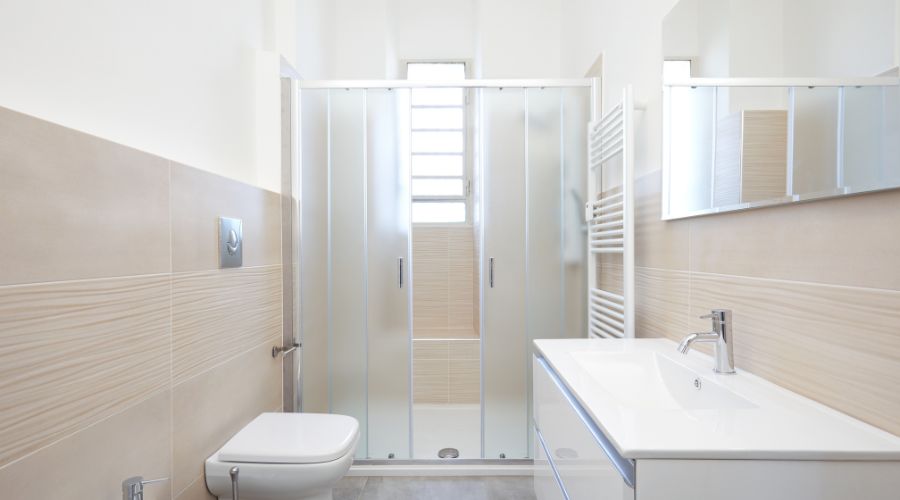
Bathroom renovations typically run 4–8 weeks. Waterproofing, drying times, inspections, and tiling all influence the pace. In apartments, additional time is often needed due to strata approvals, access restrictions, and noise rules.
Apartment Renovation Timelines
Apartment renovations usually take longer than houses with similar scope. Lift bookings, limited work hours, shared services, and strata coordination all add time. Even cosmetic apartment renovations benefit from additional buffer in the schedule.
Home Extensions and Additions
Extensions are longer projects, often running 3–6 months or more, depending on size and approvals. Structural work, inspections, and weather can all affect timelines. This is why extensions are usually planned well in advance through home extensions and additions, rather than treated like smaller internal renovations.
Full Home Renovations
Full renovations can span several months and sometimes longer. Coordinating multiple trades, sequencing work correctly, and managing approvals all play a role. These projects require the most patience and flexibility.
Why Renovation Timelines Often Blow Out
Most renovation delays aren’t caused by a single issue, but by a combination of factors.
Approvals Taking Longer Than Expected
Council or strata approvals frequently take longer than homeowners anticipate, particularly when documentation needs revision or additional information is requested.
Late Decisions or Design Changes
Changing layouts, finishes, or fixtures after construction begins almost always adds time. Even small changes can affect sequencing and trade availability.
Trade and Material Availability
Sydney renovation schedules are heavily influenced by contractor availability and supplier lead times. Popular trades are often booked weeks or months in advance.
Site Surprises
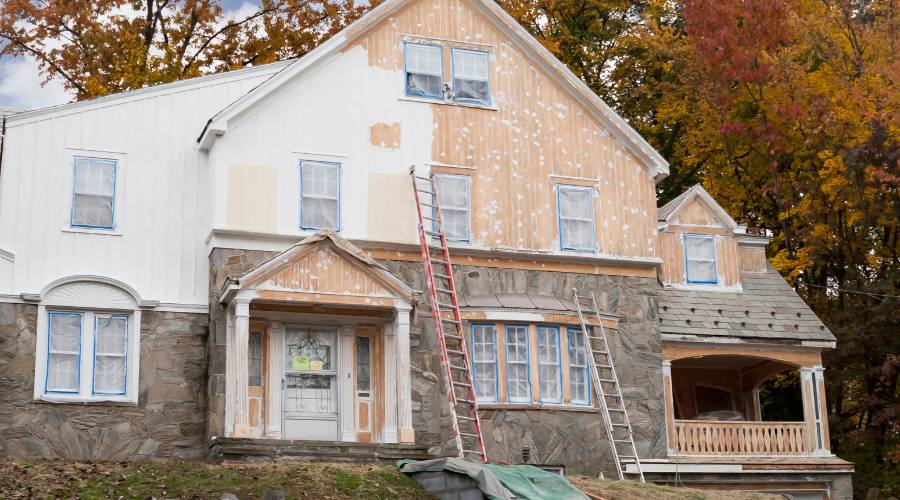
Older homes frequently reveal unexpected issues once demolition starts, such as structural repairs, outdated wiring, or plumbing upgrades that weren’t visible during planning.

How Sydney Conditions Affect Renovation Duration
Local conditions play a bigger role in renovation timelines than many homeowners realise.
Council and Strata Processes
Approval timeframes vary widely between councils and strata buildings. Some approvals are straightforward, while others require multiple rounds of review.
Weather and Seasonal Delays
Rain can affect external works, extensions, and site access. Seasonal demand can also influence trade availability and start dates.
Contractor Scheduling
Even well-planned renovations can be delayed if preferred contractors aren’t available when approvals come through.
How to Keep a Renovation on Schedule
While no renovation runs perfectly, some steps help reduce delays and stress.
Lock Decisions Early
Clear selections and layouts before construction starts reduce the likelihood of rework.
Allow Buffer Time
Building extra time into the schedule makes delays easier to manage.
Communicate Clearly
Regular communication helps identify issues early and avoid misunderstandings.
Plan Living Arrangements
Deciding early whether you’ll live on-site or move out avoids last-minute disruption.
When to Expect the Most Disruption
Not all stages are equally disruptive.
Demolition, waterproofing, and major structural work tend to have the biggest impact on daily life. Noise, dust, and limited access are most common during these phases. Finishing stages are usually quieter but still require coordination and access.
Understanding this helps families plan work commitments, schooling, and temporary accommodation more effectively.
How Much Buffer Time Should You Build In?
As a general guide, many Sydney homeowners allow:
- an extra 10–20% of time for internal renovations
- more for extensions, apartments, or approval-heavy projects
Buffer time reduces pressure when things don’t go exactly to plan — which is normal for most renovations.
Thinking About Your Renovation Timeline?
If you’re planning a renovation and want a clearer idea of how long your project might realistically take in Sydney, understanding the timeline early can make planning far easier.
If you’d like to talk through your renovation scope, approvals, or likely schedule, you can contact us here to discuss your project and understand what a realistic renovation timeline might look like for your home.
Frequently Asked Questions
How long does a renovation usually take in Sydney?
It depends on the type of renovation, approvals required, and complexity, but most projects take longer than people initially expect.
Why do renovations often take longer than quoted?
Approvals, late decisions, material delays, and unexpected site issues are the most common causes.
Should I add buffer time to my renovation timeline?
Yes. Buffer time helps reduce stress and disruption when delays occur.
Are apartment renovations slower than house renovations?
Often, yes. Strata rules, access limits, and approvals can extend timelines.