
Sydney homeowners often begin renovations with a rough budget in mind, only to find that costs escalate once real decisions need to be made. Online price guides tend to oversimplify the process, while generic estimates rarely reflect Sydney labour rates, approval requirements, or the realities of older homes and tight sites. This guide explains how renovation costs actually work in Sydney — and how we help homeowners plan budgets that hold up once construction begins.
We help Sydney homeowners understand renovation costs by breaking budgets down properly — by scope, complexity, and property type. A realistic renovation budget isn’t about chasing the cheapest price; it’s about aligning expectations with the work required to achieve a durable, well-finished result.
Key Takeaway Questions
- Are you unsure what a realistic renovation budget looks like in Sydney?
- Have you seen cost estimates that feel vague or unreliable?
- Do you want to understand which parts of a renovation drive costs the most?
- Are you trying to avoid budget blowouts during construction?
- Are you deciding whether your renovation plans match your budget?
What does a home renovation cost in Sydney?
Renovation costs in Sydney vary widely, but they follow consistent patterns once the scope is clear.
The biggest factor isn’t the size of your home — it’s what you’re changing. A cosmetic update and a structural renovation may appear similar at first, but once demolition, engineering, services, and compliance are involved, the cost difference becomes significant.
For projects that involve structural changes or additional space, budgeting needs to account for approvals, engineering, and build complexity. This is particularly relevant for homeowners planning home extensions and additions in Sydney, where scope and compliance play a much larger role in final cost.
As a broad planning guide, many Sydney home renovations fall between $1,000 and $4,000 per square metre, depending on complexity, finishes, access conditions, and approvals.

Renovation cost per square metre — how to interpret the numbers
Per-square-metre pricing is often misunderstood, so we use it carefully during early planning.
Lower-range renovations ($1,000–$1,800 per m²)
Lower-range renovations usually involve surface-level improvements rather than major structural changes. These projects often include painting, new flooring, minor joinery upgrades, and limited layout adjustments. They’re most suitable for homes where plumbing and electrical systems are already in good condition and don’t need upgrading.
Mid-range renovations ($1,800–$3,000 per m²)
Mid-range renovations commonly include at least one kitchen or bathroom, along with partial reconfiguration of internal spaces. Upgraded finishes and more involved trades are typical at this level, which is where many family home renovations in Sydney tend to sit.
Higher-range renovations ($3,000–$4,000+ per m²)
Higher-range renovations generally involve structural changes, multiple wet areas, custom joinery, premium materials, or complex site conditions. Terraces, heritage homes, and properties requiring significant engineering work often fall into this category.
The key is understanding that these ranges reflect complexity, not just size.
Why kitchens and bathrooms dominate renovation budgets
Kitchens and bathrooms consistently account for a large portion of renovation costs, and there’s a practical reason for this.
These spaces combine plumbing, electrical, waterproofing, tiling, cabinetry, ventilation, and fixtures — all within a small footprint and under strict compliance requirements. Even modest layout changes can significantly affect costs.
If your renovation includes kitchen or bathroom upgrades, it’s important to plan them as part of the overall project rather than in isolation. Our kitchen and bathroom renovations page explains how these spaces are typically scoped and costed within a broader renovation.
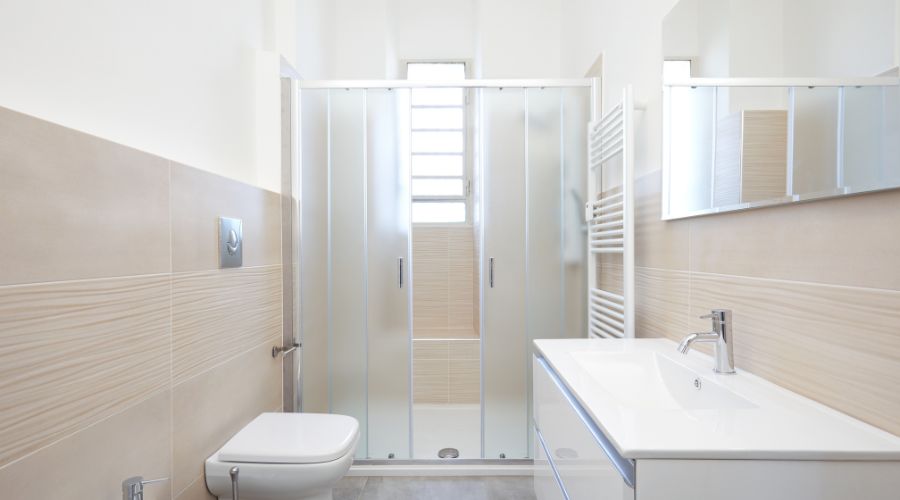
For homeowners planning a bathroom upgrade specifically, our bathroom remodel cost in Sydney breaks down realistic pricing ranges, upgrade options, and common cost pitfalls for Sydney homes and apartments.
Living areas, bedrooms, and general interior spaces
Living areas and bedrooms are usually more flexible from a budgeting perspective, particularly when work is limited to finishes rather than structure.
Painting, flooring, lighting upgrades, and built-in storage can refresh these spaces without dramatically increasing costs. However, once walls are removed or layouts change, projects move into the territory of full interior renovations.
If you’re planning a whole-of-home update or multiple room changes, our guide to interior renovation costs explains how budgets are typically structured and where costs tend to escalate during more comprehensive renovations.
Apartment renovation costs in Sydney
Apartment renovations need to be assessed differently from houses, even when the internal scope looks similar.
Strata approvals, restricted work hours, lift bookings, access limitations, and building protection requirements all influence cost and scheduling. These factors are often underestimated during early budgeting.
If you’re renovating a unit, our cost of apartment renovations in Sydney guide explains strata-related expenses, access challenges, and realistic cost expectations specific to apartment renovations.

The hidden costs that cause renovation budget blowouts
Most budget overruns don’t come from poor planning — they come from incomplete planning.
Common examples include demolition and waste removal, outdated wiring or plumbing discovered after strip-out, structural issues revealed mid-build, or fixtures and finishes assumed but not included in the original scope.
Design changes during construction are another major contributor. Even small changes can result in variations, delays, and added costs once trades are already scheduled.
Clear scope and early decisions won’t remove every unknown, but they significantly reduce financial surprises.
Why the cheapest renovation quote often costs more
The lowest quote is rarely the most reliable one.
Cheap quotes are often built on unrealistic allowances, missing scope items, or vague descriptions. Those costs don’t disappear — they surface later as variations, delays, or compromised outcomes.
A solid renovation quote should clearly explain what’s included, what’s excluded, how variations are handled, and how the project will be managed. Transparency early on leads to better cost control throughout the build.
How we approach renovation budgeting in Sydney
When we help homeowners plan renovation budgets, the process is structured but practical.
- Clarify the scope before pricing- We start by confirming what’s staying, what’s changing, and where plumbing or electrical services need to move. This removes guesswork and prevents assumptions from creeping into the budget.
- Prioritise the biggest cost drivers- Kitchens, bathrooms, structural work, and flooring are addressed first, before refining secondary items. This keeps the budget grounded in the areas that have the greatest impact on overall cost.
- Allow for realistic contingency- Contingency is adjusted based on the age and complexity of the property. Older homes and apartments typically require stronger buffers to manage unknowns uncovered during construction.
- Encourage early decisions- The more selections that are finalised before construction begins, the more stable the budget remains throughout the build, reducing delays and variation costs.
NSW approvals and compliance considerations
Not all renovations require approval, but many structural changes, extensions, and layout alterations do. In NSW, projects may fall under exempt development, complying development, or require a development application, depending on the scope.
Contract requirements also vary based on project value, and written contracts are mandatory beyond certain thresholds. Understanding these requirements early helps prevent delays, disputes, and cost overruns once work begins.
A final word on renovation costs
A successful renovation budget isn’t about finding the lowest number — it’s about setting expectations that remain realistic throughout construction.
When costs are understood early, decisions become clearer, stress levels drop, and the renovation process becomes far more manageable.
Ready to take the next step?
If you’re planning a renovation and want advice that’s specific to your home, your suburb, and your scope, the next step is to speak with us at Sydney Renovation Group. We’ll help you talk through costs, identify potential risks early, and understand what’s realistic before you commit to plans or budgets. A short conversation now can save months of frustration — and unnecessary cost — later on.
Frequently Asked Questions
Why do renovation costs vary so much between properties?
Renovation costs vary because every property is different. Factors like the age of the home, existing plumbing and electrical condition, access restrictions, structural changes, and approval requirements all influence final pricing. Two homes of the same size can have very different costs once these variables are considered.
Are kitchens and bathrooms the most expensive parts of a renovation?
Yes, kitchens and bathrooms are usually the biggest cost drivers. They involve multiple trades, waterproofing, compliance requirements, and higher-cost finishes. Even small layout changes in these spaces can significantly affect the overall renovation budget.
Do apartment renovations cost less than house renovations?
Not always. While apartments are often smaller, strata approvals, restricted work hours, access limitations, and building protection requirements can add complexity and cost. Apartment renovations need to be budgeted differently from houses to avoid surprises.
How can we avoid renovation budget blowouts?
The best way to avoid budget blowouts is to clarify scope early, make key decisions before construction starts, allow for realistic contingency, and work with clear documentation. Most cost overruns happen when assumptions replace planning or when changes are made late in the build.