
Apartment renovations in Sydney come with a different set of challenges to house renovations. Beyond design and budgeting, unit owners also need to navigate strata rules, shared services, access restrictions, and stricter approval processes.
We regularly speak with apartment owners who feel unsure about where to start, what’s allowed, and how to avoid delays or disputes. This guide walks through how apartment renovations actually work in Sydney — from early planning and strata approvals to budgeting, timelines, and managing trades in shared buildings.
Quick Take: Renovating an apartment in Sydney requires careful planning around strata approvals, access, and building rules. When layouts, budgets, and approvals are handled early, apartment renovations can run smoothly and deliver strong lifestyle and value outcomes.
Key Takeaway Questions
- What’s different about renovating an apartment compared to a house?
- What approvals do I need from the strata before renovating?
- How do I plan an apartment renovation without blowing the budget?
- What challenges should I expect during construction?
- How long does an apartment renovation usually take in Sydney?
Why Apartment Renovations Are Different in Sydney
Apartment renovations aren’t just smaller house renovations.
In strata buildings, individual owners share walls, floors, ceilings, and services. This means changes inside one unit can affect neighbouring apartments or common property, which is why approvals and documentation are more structured. Noise restrictions, lift access, working hours, waste removal, and contractor compliance all need to be considered upfront.
This is exactly why strata and apartment upgrades require a different approach to planning and coordination compared to free-standing homes.

What Is Actually Allowed to Change in an Apartment
This is one of the most common questions we hear.
Cosmetic changes like painting, replacing cabinetry, or updating flooring often don’t require formal approval. Structural changes, waterproofing, plumbing relocations, and anything affecting common property usually do.
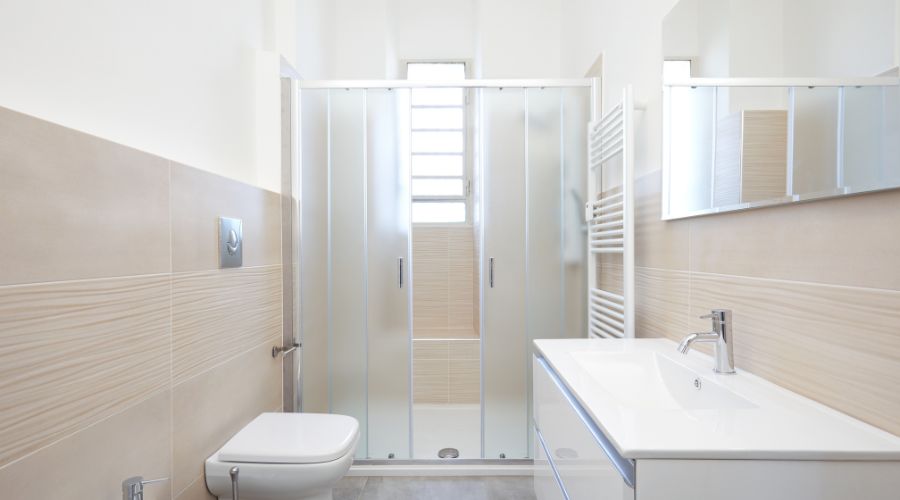
Bathrooms and kitchens are the most common trigger points. In particular, apartment bathroom renovations often require approval because waterproofing and drainage can affect neighbouring units — something we cover in more detail when discussing bathroom renovations under strata rules in Sydney.
How Do Strata Approvals Really Work in NSW
Strata approvals are usually handled through the Owners Corporation.
Depending on the scope of work, this may involve submitting drawings, scopes of work, contractor licences, insurance certificates, and proposed timelines. Approval timeframes vary, and incomplete submissions are one of the biggest causes of delays.
Understanding how approval pathways work is similar to navigating other NSW permission processes. For example, homeowners often find clarity by looking at how approvals are structured in the granny flat approval process in NSW, where documentation and sequencing also matter.
How to Plan an Apartment Renovation Without Wasting Money
Apartment renovation budgets behave differently to house budgets.
Access restrictions, working-hour limits, strata conditions, and protection of common areas can all increase labour time and coordination costs. There may also be additional compliance or insurance requirements.
We encourage apartment owners to review realistic cost expectations early. Looking at apartment renovation costs in Sydney helps clarify where allowances should be made and why unit renovations often differ from free-standing homes.
Budget clarity early reduces the risk of mid-project compromises or disputes.
What Design Choices Work Best in Smaller Sydney Apartments
Apartment renovations work best when design decisions are practical.
Storage, circulation, and multi-purpose spaces often matter more than dramatic finishes. We frequently see better outcomes when layouts are simplified, walls are repositioned carefully, and built-in storage is prioritised.
Kitchens and bathrooms usually have the biggest impact on how an apartment feels day to day. When these spaces are updated together, the result is often more cohesive and functional — especially in compact units. This is why many apartment owners choose to plan kitchen and bathroom renovations as part of one coordinated upgrade.
What Usually Causes Delays in Apartment Renovations
Most apartment renovation delays come down to assumptions.
Starting design work before confirming strata rules, underestimating approval timeframes, or using trades unfamiliar with strata environments often leads to rework and frustration. Noise restrictions and lift bookings can also affect scheduling if they’re not planned properly.
Clear communication with building management and neighbours, combined with early approvals, dramatically reduces these risks.
Before committing to designs or timelines, many apartment owners find it helpful to map the process step by step. Working through a Sydney apartment renovation checklist early can highlight approval requirements, sequencing issues, and budget considerations that are easy to miss at the concept stage.
How Long Does an Apartment Renovation Usually Take
Apartment renovations often take longer to plan than to build.
Approvals, documentation, and coordination can add weeks before construction begins. Once work starts, timelines depend on scope, access restrictions, and whether wet areas or structural changes are involved.
Setting realistic expectations early is one of the most effective ways to reduce stress during an apartment renovation.

Is Renovating an Apartment Worth It for Resale or Long-Term Living
If resale is the goal, neutral finishes, practical layouts, and compliance matter most.
For long-term living, there’s more flexibility, but it’s still important to avoid changes that may cause issues with strata or future buyers. Apartments that feel functional, well-maintained, and easy to live in tend to hold their appeal over time.
This same balance applies across other value-focused projects, which we explore in our broader guide on renovations that add value to Sydney homes.
Ready to Talk Through Your Apartment Renovation Properly?
If you’re planning an apartment renovation and want advice that’s specific to Sydney strata rules, building types, and realistic budgets, the next step is to speak with us at Sydney Renovation Group.
We help apartment owners plan renovations that work within strata requirements while still delivering comfortable, well-designed living spaces.
Frequently Asked Questions
Do I need strata approval to renovate my apartment in Sydney?
In many cases, yes. While cosmetic changes usually don’t require approval, work involving waterproofing, structural changes, or shared services typically needs approval from the Owners Corporation.
How long do strata approvals usually take?
Approval timeframes vary by building, but they often take several weeks. Delays are common when documentation is incomplete or submitted late.
Can I renovate my apartment bathroom without strata approval?
Some cosmetic bathroom updates may not require approval, but waterproofing, drainage, or plumbing changes almost always do, as they can affect neighbouring apartments.
Why do apartment renovations cost more than expected?
Apartment renovations often involve access restrictions, limited working hours, and additional compliance requirements, which can increase labour time and coordination costs.
Is renovating an apartment worth it in Sydney?
When planned properly, apartment renovations can significantly improve liveability and resale appeal, especially when layouts, approvals, and budgets are aligned early.