
Sydney homeowners and businesses are approaching renovation decisions more thoughtfully than ever. Rising construction costs, changing lifestyles, and long-term planning are influencing not just what people renovate, but how they design their spaces. As 2026 approaches, the focus is shifting away from short-term looks and toward designs that support comfort, flexibility, and long-term value in Sydney’s climate and property market.
This article explores the most relevant Sydney renovation trends 2026 is shaping — not international design fads, but ideas already influencing real renovation projects across Sydney homes, apartments, and commercial spaces.
We help homeowners and business owners stay informed about where design is heading so renovation decisions feel confident rather than reactive. Trends matter most when they reflect how people actually live and work in Sydney, not when they’re followed blindly.
Key Takeaway Questions
- What renovation and design trends are actually relevant in Sydney for 2026?
- Which trends are driven by lifestyle changes rather than aesthetics?
- How are sustainability and efficiency influencing renovations in NSW?
- What trends apply to both residential and commercial spaces?
- Which design ideas are likely to last beyond the next few years?
Why These Trends Are Emerging in Sydney Now
The renovation and design trends shaping 2026 aren’t appearing in isolation.
Across Sydney’s inner suburbs, coastal areas, and growing family zones, designers are responding to consistent pressures: higher energy costs, smaller lots, hybrid work patterns, and a desire for homes that feel calmer and more adaptable. Many of the ideas gaining traction in 2026 are already visible in recently completed renovations throughout NSW.
Local architects and designers are prioritising materials and layouts that perform well in Sydney’s climate rather than copying overseas trends that don’t translate to Australian living. This is why sustainability, indoor–outdoor flow, and flexible layouts are becoming standard rather than optional.

Why Sustainability Is No Longer Optional in Sydney Renovations
Sustainability is becoming a core consideration in many Sydney renovations heading into 2026.
Eco-Conscious Materials and Finishes
More homeowners are choosing durable, low-maintenance materials with lower environmental impact — recycled timbers, low-VOC paints, and finishes that won’t need replacing in a few years. This aligns with broader home design trends in 2026 that Australia is seeing, but Sydney homeowners are often leading the shift due to climate awareness and running costs.
Energy Efficiency Built Into Renovations
Insulation upgrades, improved glazing, efficient lighting, and better ventilation are now considered early in renovation planning. Many people explore sustainable home renovations in Sydney to understand how these upgrades reduce long-term costs while improving comfort.
Rather than being an add-on, sustainability is shaping core renovation decisions.
Why Sydney Homes Are Bringing Nature Indoors More Than Ever
Design that connects interiors to the outdoors continues to gain momentum.
Natural Light, Greenery, and Texture
Large openings, natural materials, and integrated planting are being used to create calmer spaces. This isn’t about decoration — it’s about wellbeing, light, and airflow in Sydney homes.
Indoor–Outdoor Living That Works Year-Round
Seamless transitions to decks, courtyards, and covered outdoor areas remain central to Sydney home trends in 2026. The focus is shifting from visual openness to genuine usability across different seasons.
This reflects how Sydneysiders actually live rather than what looks good in images.
Why Fixed Room Layouts Are Falling Out of Favour
How spaces are used continues to evolve.
Multi-Purpose Rooms
Homes are increasingly designed with rooms that adapt — studies doubling as guest rooms, dining spaces supporting work-from-home, and living areas that can be reconfigured over time.
This flexibility is one of the most practical renovation trends that NSW homeowners are prioritising, especially in apartments and compact homes.
Better Zoning Without Closing Spaces Off
Instead of removing every wall, designers are using joinery, partial screens, lighting, and level changes to define areas while maintaining openness.
Which Smart Home Features Are Actually Worth Adding in 2026
Technology integration is being approached more carefully and selectively and less showy.
Practical Automation Over Novelty
In 2026, homeowners are focusing on systems that genuinely improve daily life — lighting control, climate management, security, and energy monitoring. The emphasis is on reliability rather than gimmicks.
Designed for Longevity
Technology choices are increasingly made with future compatibility in mind, which is influencing interior design in 2026 discussions as much as material selection.
Why Kitchens and Bathrooms Are Moving Away From Statement Design
Highly expressive designs are giving way to quieter, longer-lasting choices.
Subtle Colour and Texture
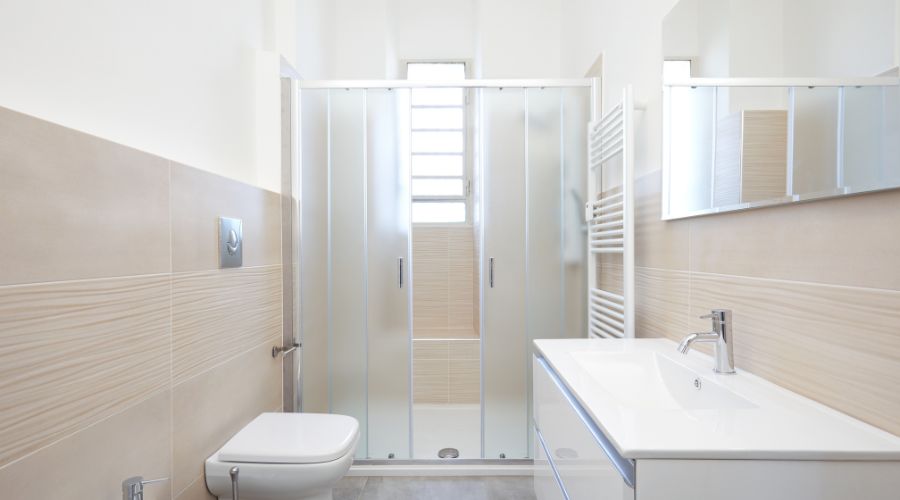
Muted tones, soft neutrals, and natural textures are replacing high-contrast colour schemes. Texture is being used to add interest without overwhelming spaces.
For bathrooms, many homeowners review earlier bathroom design trends in Sydney to avoid finishes that already feel dated.
Practical Luxury
Attention is shifting to storage, lighting, and layout efficiency rather than statement features that date quickly.
Why More Sydney Homeowners Are Renovating With the Long Term in Mind
More Sydney homeowners are planning renovations with the future in mind.
Discreet Accessibility Improvements
Step-free showers, wider doorways, and thoughtful circulation are being integrated subtly into renovations. These features improve usability without making homes feel clinical.
This approach reflects a growing focus on home accessibility and adaptable design, where flexibility is built in early rather than retrofitted later.
Why Homes and Workspaces Are Starting to Look More Alike
Some of the most interesting trends heading into 2026 sit between residential and commercial design.
Flexible Work and Hybrid Living
Design principles once limited to offices — zoning, acoustics, flexibility — are now influencing home renovations. At the same time, commercial spaces are becoming warmer and more residential in feel.
These ideas are explored further in office design trends for Sydney businesses, but they’re increasingly relevant to home offices and mixed-use spaces as well.
What Trends Sydney Homeowners Are Avoiding
Equally important is what people are not doing.
Highly personalised finishes, trend-driven materials with short lifespans, and overly complex layouts are being avoided. Homeowners are increasingly cautious about committing to designs that limit resale appeal or require early replacement.
Longevity is becoming a design principle in its own right.
How to Decide Which Trends Are Worth Following
Not every trend suits every home.
Before adopting a design idea, many homeowners ask:
- Does this improve how the space functions?
- Will it age well in this suburb and property type?
- Is it appropriate for the home’s scale and budget?
Trends work best when they support lifestyle and value — not when they override them.
Why Trend Awareness Matters When Renovating in 2026
Understanding where design is heading helps homeowners and businesses make better decisions.
It reduces the risk of investing in finishes or layouts that date quickly and helps renovations feel current without constant updates. In Sydney, where renovation costs are high, this long-term thinking matters.
By staying informed about what’s happening across Sydney residential and commercial projects across Sydney residential and commercial projects, we remain aligned with the design innovations shaping renovations heading into 2026.

Kitchen & Bathroom Renovations
Thinking About Renovating in 2026?
If you’re planning a renovation and want to understand which design trends genuinely make sense for your home or business, clarity early on can prevent costly changes later.
If you’d like to talk through how current trends could apply to your space — without overcommitting to ideas that won’t last — you can contact us here to discuss practical, forward-looking renovation options.
Frequently Asked Questions
Do renovation trends really matter?
They matter when they reflect real lifestyle and market shifts, not when they’re followed blindly.
Should you renovate just to follow trends?
No. Trends should support function and longevity, not drive decisions on their own.
Are sustainable upgrades worth it?
Often yes, especially when they reduce running costs and improve comfort.
Will these trends date quickly?
The strongest 2026 trends focus on flexibility, efficiency, and usability — qualities that tend to last.