
Sustainable and energy-efficient home renovations in Sydney combine smart design, eco-friendly materials, and modern technology to reduce energy use, increase comfort, and improve long-term property value.
Create a comfortable, eco-friendly Sydney home with sustainable renovations that cut energy bills and support a greener future.
Key Questions to Consider Before Starting:
- Could your renovation help lower power and water bills?
- How much could your indoor comfort and air quality improve?
- What if your materials lasted longer and required less maintenance?
- Would you like to increase your home’s value while meeting BASIX standards?
- How can your renovation reduce your environmental footprint?
As you start exploring these questions, it becomes clear why more Sydney homeowners are turning to sustainable renovations for smarter, future-ready living.
Why Sydney Homeowners Are Choosing Sustainable Renovations
Sydney homeowners are rethinking the way they renovate. With rising electricity prices, long dry summers, and cooler, windier winters, the push for sustainable and energy-efficient homes is no longer about luxury — it’s about living smarter.
Modern families want homes that stay cool in the heat and warm in the cold without constant air-conditioning or high utility bills. They’re choosing renovation strategies that focus on performance, not just presentation, but also homes that are beautiful to live in and kind to the planet.
Sustainable home renovations in Sydney go beyond replacing finishes or updating colour palettes. It’s a holistic approach that considers how every part of the home. From the roof to the floor, insulation contributes to comfort and efficiency. Homeowners are realising that design decisions, such as where windows are placed or how rooms are ventilated, directly influence energy costs and liveability.
Sydney’s increasingly unpredictable climate has also made durability and resilience top priorities. Energy-smart upgrades like double glazing, improved wall insulation, and passive solar design help homes maintain comfortable temperatures naturally. When combined with water-saving fixtures and recycled materials, these renovations can significantly reduce a household’s environmental footprint.
Beyond environmental benefits, sustainable homes are financially practical. Lower running costs mean long-term savings, while energy-efficient properties often attract higher resale values and meet stricter BASIX energy standards required for Sydney developments.
Ultimately, Sydney homeowners are choosing sustainable renovations because they want homes that are:
- Comfortable year-round, without dependence on mechanical heating and cooling.
- Cheaper to run, with reduced electricity and water usage.
- Healthier, thanks to better ventilation and non-toxic finishes.
- Resilient, built to handle Sydney’s coastal weather and temperature swings.
- Future-proof, designed to meet evolving environmental standards and buyer expectations.
In short, sustainable renovations aren’t just about being eco-friendly — they’re about building homes that make everyday living easier, more affordable, and more enjoyable for years to come.
According to the NSW Energy Program, energy-efficient homes use up to 40% less electricity than standard builds.
Core Principles of Sustainable Home Design
1. Passive Design
Passive design works with Sydney’s climate — not against it. It uses orientation, ventilation, and shading to maintain comfortable temperatures naturally.
- Position windows to capture breezes and light.
- Use eaves or pergolas for summer shade.
- Choose light-coloured roofs to reflect heat.
- Maximise daylight to reduce artificial lighting.
2. Insulation & Air Sealing
Insulation is one of the most powerful tools for efficiency. Adding thermal barriers to walls, ceilings, and floors prevents energy loss and keeps indoor temperatures consistent. Paired with quality windows and air sealing, it can dramatically reduce energy consumption.
3. Sustainable Materials
Using eco-friendly materials reduces emissions and improves indoor air quality. Look for:
- Recycled timber and engineered wood.
- Low-VOC paints and adhesives.
- Composite or insulated cladding.
- Locally sourced stone or concrete with thermal mass benefits.
4. Water Efficiency
Sydney’s dry spells make water conservation essential. Install low-flow taps, dual-flush toilets, rainwater tanks, and greywater systems to reduce waste without compromising comfort.
5. Energy-Smart Technology
Integrate technology that saves energy automatically:
- Smart thermostats and zoning systems.
- LED lighting with motion sensors.
- Solar-ready electrical designs.
- Home energy monitors to track usage.
Where to Apply Sustainability in Your Home
Every room in your Sydney home presents an opportunity to improve comfort, reduce energy use, and create a healthier living environment. Whether you’re planning a full-scale renovation or smaller upgrades, applying sustainable thinking to each space can make a major difference in performance and liveability.
Sustainability doesn’t mean sacrificing style — it’s about making smarter choices that enhance how your home functions day to day. From the kitchen to the garden, every element can be designed to work more efficiently, saving energy, water, and maintenance costs over time.
Sustainable Kitchen & Bathroom
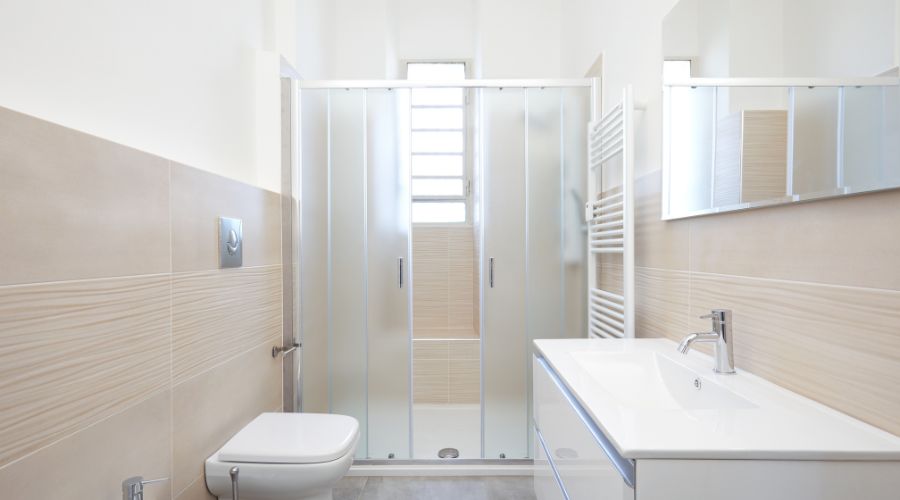
Kitchens and bathrooms are the heart of most renovations — and the best place to start saving energy and water.
In kitchen & bathroom renovations, consider:
- Energy-rated appliances and induction cooktops.
- Water-efficient fixtures and ventilation fans.
- Durable, recycled benchtops and cabinetry.
- LED task lighting that minimises waste.
These changes combine style with substantial utility savings.
Energy-Efficient Home Extensions
When adding space, energy efficiency should be a key part of the plan.
Smartly designed home extensions & additions can actually reduce total energy use through strategic layout and materials:
- Orient new rooms for natural light.
- Use insulated walls and floors.
- Incorporate solar-ready roofs.
- Install double-glazed windows.
Each extension is an opportunity to future-proof your home.
Heritage Restorations
Sustainable Heritage Homes can be beautiful and efficient. Careful planning allows owners to preserve charm while improving comfort.
With heritage restorations, key strategies include:
- Draught-proofing doors and windows.
- Adding internal insulation without damaging facades.
- Using period-appropriate, eco-friendly materials.
- Discreetly installing efficient heating and cooling.
Restored heritage homes can achieve modern energy performance standards while retaining historical authenticity.
Outdoor Living & Exteriors
Sydney’s outdoor lifestyle naturally complements sustainable home design. The city’s mild climate allows outdoor areas to be used almost year-round, making them an essential part of energy-efficient living. Thoughtfully designed outdoor spaces can regulate heat inside the home, encourage natural ventilation, and provide comfortable zones that reduce the need for air conditioning.
A well-planned exterior doesn’t just add visual appeal — it also plays a crucial role in your home’s energy performance. Elements like shade structures, sustainable materials, and reflective surfaces all contribute to cooler interiors and lower running costs.
Pergolas & Outdoor Structures
Pergolas & outdoor structures provide shade and passive cooling, reducing heat inside your home. Positioning a pergola on the northern side blocks summer sun while welcoming winter light.
Pergolas also support energy-saving features such as:
- Climbing plants or green screens for natural cooling.
- Solar panels integrated into roofing for renewable energy generation.
- Retractable shading systems to adapt comfort through the seasons.
These simple design choices can lower household cooling demands and create inviting outdoor retreats.
Green Facade & Exterior
Upgrading to insulated cladding & facades improves thermal performance and weather resistance. Modern cladding materials reduce maintenance while enhancing your home’s aesthetic.
Outdoor Kitchens & BBQ Areas
Energy-smart outdoor kitchens & BBQ Areas can extend your living space while using efficient appliances and sustainable materials built for Sydney’s climate.
Accessibility & Universal Design
Sustainability also means creating homes that last for every stage of life. Accessibility & universal design improvements ensure spaces are comfortable and safe for everyone. Wider doorways, level entries, and non-slip surfaces not only support mobility — they add long-term resilience to your property.
Energy Technology & Smart Integration
Modern sustainability is powered by technology. Integrating smart systems during your renovation can make energy management effortless.

Smart systems to consider:
- Solar power generation and battery storage.
- Electric vehicle charging points.
- Smart lighting and temperature controls.
- Home automation that monitors usage.
Homes equipped for renewable energy can cut electricity bills by up to 50% while boosting resale value.
Water & Thermal Performance Budget-Friendly Upgrades
Water and energy are linked — and Sydney homeowners can optimise both through simple changes:
- Add rainwater tanks for gardens and toilets.
- Reuse greywater where approved.
- Use thermally efficient materials to stabilise temperature.
- Install cross-ventilation layouts to reduce air conditioning.
These upgrades make homes more comfortable and reduce strain on local infrastructure.
Planning & Compliance in NSW
Sydney Renovation Group follows NSW BASIX requirements for energy and water efficiency in projects over $50,000. This ensures each renovation meets government benchmarks for thermal performance and resource use.
Homeowners may also qualify for programs like:
- Energy Savings Scheme (ESS) rebates.
- Solar for Low-Income Households Program.
- Sustainability grants for building materials and appliances.
How to Plan a Sustainable Renovation

1. Assess Your Current Home
Start by identifying where you’re losing energy — uninsulated ceilings, drafty windows, or inefficient lighting.
2. Define Your Goals
Decide what matters most — lower bills, comfort, eco-credentials, or resale value.
3. Engage Experts
Work with designers and builders who understand sustainable construction and Sydney’s climate. They’ll guide you on feasibility, materials, and energy strategies.
4. Think Long-Term
Sustainable renovations are investments. Quality materials and smart designs require up-front planning but deliver lifetime savings and comfort.
Why Sustainability Adds Real Value
An energy-efficient home is not just cheaper to run — it’s more desirable on the market.
- Financial: Lower operating costs.
- Lifestyle: Consistent temperatures and cleaner air.
- Environmental: Reduced carbon footprint.
- Property Value: Buyers increasingly seek eco-certified homes.
Research from Domain shows that energy-efficient homes can sell 10-15% faster and for higher prices in Sydney’s market.
Start Your Sustainable Renovation Journey
Every Sydney home has the potential to be smarter, healthier, and more efficient. From eco-friendly kitchen renovations to insulated extensions and outdoor upgrades, each choice you make contributes to a greener future — for your family and for the city.
Contact Sydney Renovation Group to begin planning your Sustainable & Energy-Efficient Home Renovation in Sydney. Together, we’ll create a home that’s beautiful, functional, and built for tomorrow.
FAQ
What upgrades make a Sydney home more energy efficient?
Double-glazed windows, roof and wall insulation, passive solar design, LED lighting, water-saving fixtures, and solar-ready electrical systems are the most effective upgrades.
Do eco-friendly renovations increase property value?
Yes. Homes with lower running costs and better energy ratings are more attractive to buyers and can sell faster and at higher prices in Sydney.
What is passive design in home renovation?
Passive design uses window placement, shading, insulation, and airflow to keep homes naturally warmer in winter and cooler in summer without heavy reliance on air-conditioning.
Can heritage homes in Sydney be renovated sustainably?
Yes. Heritage homes can improve efficiency through draught-proofing, internal insulation, efficient heating, and eco-friendly period-style materials without losing character.
What are BASIX requirements for renovations?
BASIX requires projects to meet minimum targets for thermal performance, energy use, and water efficiency in order to receive planning approval in NSW.
How much energy can an efficient home save in Sydney?
Energy-efficient homes can use up to 40% less electricity than standard homes when insulation, glazing, ventilation and efficient systems are installed.