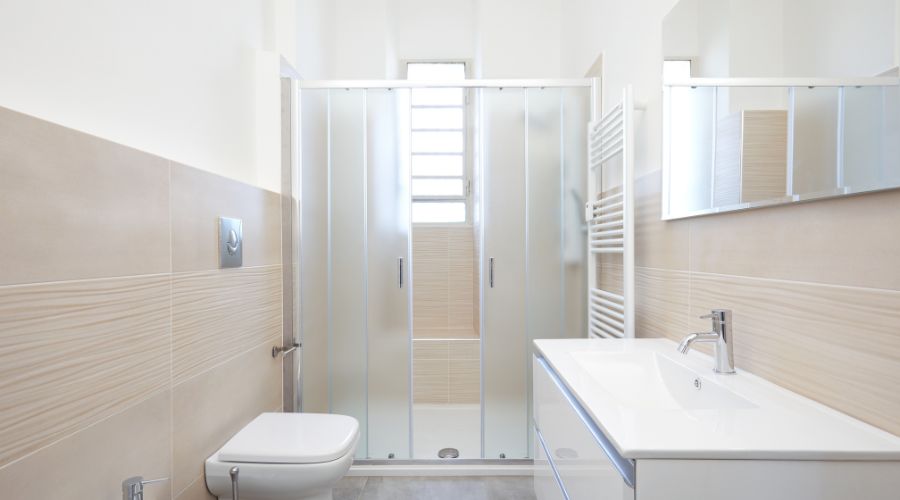

Bathroom waterproofing problems Sydney homeowners face often start small — but can quickly lead to costly damage beneath tiles and walls. In this guide, we explain how to detect leaks early, why they occur, and how to prevent them with proven waterproofing solutions.
Protect your home from hidden water damage with expert insights from Sydney Renovation Group.
Before You Waterproof — Key Questions to Consider
- Has your current bathroom ever been flood-tested or inspected for leaks?
- Are your waterproofing materials and methods compliant with Australian Standards?
- Could small, unnoticed leaks today cause structural damage in the future?
- Would hiring licensed waterproofers protect your investment long-term?
- How confident are you that your bathroom will remain watertight for years to come?
Understanding Bathroom Waterproofing Problems Sydney Homeowners Face
As renovation specialists in Sydney, we’ve seen many bathrooms that look perfect on the surface but hide serious water damage underneath. Even a small waterproofing failure — a cracked grout line, a pinhole in the membrane, or poorly sealed edges — can lead to mould, timber rot, and long-term structural decay.
Sydney’s humid climate and daily bathroom use make proper waterproofing essential. It’s not just about protecting tiles; it’s about safeguarding your home’s structure, health, and air quality.
At Sydney Renovation Group, we treat every waterproofing layer as the foundation of long-term success. Preventing bathroom waterproofing problems in Sydney starts with certified workmanship and licensed waterproofers.
What Causes Bathroom Waterproofing Problems in Sydney Homes?
Waterproofing issues rarely appear overnight. They’re often the result of poor installation, low-quality materials, or skipped curing stages — issues we frequently encounter when repairing failed waterproofing work across Sydney homes.
1. Poorly Installed Waterproof Membranes
Using the wrong membrane or skipping primers can weaken adhesion. When tiles are laid too soon, the waterproof layer may tear — leading to hidden leaks that appear months later.
2. Inadequate Sealing Around Fixtures
Areas around drains, wall junctions, and plumbing penetrations are common weak points. Even small gaps can let moisture seep beneath tiles — a problem we highlight in bathroom layout mistakes, where poor planning often increases waterproofing risks.
3. Structural Movement and Cracks
Many older Sydney homes experience natural foundation shifts. Without flexible waterproofing systems, structural movement can break membrane bonds and start leaks over time.
4. DIY or Unlicensed Work
Unlicensed waterproofing is one of the most common causes of failure. In NSW, all waterproofing work must comply with Australian Standard AS 3740 and be carried out by licensed professionals — a key point we reinforce in choosing the right bathroom contractors in Sydney.
Warning Signs of Hidden Waterproofing Leaks

You might not see water damage right away, but your bathroom could already be showing early warning signs of a leak:
- Damp or swollen skirting boards
- Mould or mildew odours in nearby rooms
- Peeling paint or bubbling walls
- Cracked, darkened, or discoloured grout lines
- Water pooling outside the shower area
If you notice any of these signs, it’s time to arrange a professional inspection. Early detection can save you thousands in structural repairs and help you avoid the kind of unexpected costs discussed in our guide about bathroom renovation budget blowouts.
How We Detect Bathroom Waterproofing Problems
At Sydney Renovation Group, we combine advanced inspection methods with practical experience to locate leaks accurately — without unnecessary demolition.
- Visual Assessment — We start by inspecting visible signs of damage, poor sealing, or surface staining.
- Moisture Mapping — Using moisture meters, we identify damp areas beneath tiles and walls.
- Thermal Imaging — Temperature variations often indicate water presence; thermal cameras help us trace these hidden leaks.
- Drain and Pressure Tests — When required, we perform tests to confirm where water is escaping through walls or floors.
By combining technology and licensed expertise, we pinpoint waterproofing failures quickly and recommend targeted repairs or replacements — preventing further damage and unnecessary cost escalation.
How to Prevent Bathroom Waterproofing Problems Before They Start
The best way to avoid waterproofing issues is to prevent them from the outset. Our licensed Sydney team follows a proven process that ensures compliance, performance, and long-term durability.
1. Always Use Licensed Waterproofers
Only licensed professionals understand how to correctly apply membranes, primers, and sealants that comply with Australian Standard AS 3740. Choosing certified experts ensures your bathroom remains watertight and code-compliant.
2. Choose the Right Materials
Sydney’s humid coastal conditions demand quality products. We use high-performance, flexible membranes and sealants designed to resist mould, salt air, and structural movement — essential for lasting protection.
3. Allow Correct Curing Time
Each waterproofing layer must fully cure before tiling begins. Rushing this step weakens the protective barrier and increases the risk of future leaks. At Sydney Renovation Group, our licensed waterproofing specialists follow manufacturer and Australian Standard guidelines to ensure every layer is applied and cured correctly for long-term reliability.
4. Verify Waterproofing Integrity
Before tiling begins, we inspect and test waterproofing membranes as required to confirm they’re fully sealed and compliant. This crucial step prevents costly rework and ensures long-term confidence in the final result.
5. Schedule Routine Maintenance
Inspect grout lines and seals each year to prevent early wear. Resealing joints and improving ventilation can significantly extend your waterproofing system’s lifespan — especially in high-moisture Sydney bathrooms. Learn more about bathroom ventilation & dampness problems.
What Happens If Waterproofing Fails?
A failed waterproofing system can lead to serious and expensive damage over time. Common outcomes include:
- Rotting subfloors and damaged wall framing
- Persistent mould growth and odours
- Structural deterioration and costly repairs
- Insurance claim complications due to non-compliance
Fixing bathroom problems in Sydney homes after failure can cost several times more than doing it correctly during the original renovation. Investing in licensed waterproofing and compliance from the start protects both your property and your long-term peace of mind.
Our Waterproofing Solutions for Sydney Bathrooms

Every waterproofing system we install is:
- Managed by licensed builders and qualified waterproofing professionals
- Compliant with AS 3740 and all NSW Fair Trading regulations
- Tested and inspected before any tiling begins
We provide waterproofing certificates, documented quality checks, and clear warranties for full transparency and long-term peace of mind.
Ready to Fix or Prevent Waterproofing Problems? Let’s Get Started
If you’ve noticed signs of leaks or want to make sure your bathroom renovation is fully compliant, our licensed Sydney team is here to help.
At Sydney Renovation Group, we combine expert design, waterproofing, and construction to deliver bathrooms that are as durable as they are beautiful — completed in accordance with Australian Standards and backed by long-term warranties.
Let’s talk about your bathroom renovation goals. Visit our Contact Page to book a consultation.
Frequently Asked Questions
What causes bathroom waterproofing problems in Sydney?
Usually poor installation, rushed drying times, or unlicensed contractors. Choosing licensed waterproofers and following the correct curing stages prevents most issues.
How can I tell if my bathroom has waterproofing damage?
Look for mould growth, damp odours, or peeling or bubbling paint — all early warning signs of hidden moisture behind tiles or walls.
Who should repair waterproofing leaks in Sydney?
A licensed builder such as Sydney Renovation Group can inspect, re-seal, and certify your bathroom to meet AS 3740 waterproofing standards.
How long does waterproofing last?
With proper installation and regular maintenance, a waterproofing system can last 10–15 years or more.
Can leaks be fixed without removing tiles?
In some cases, yes — depending on the source of the leak and extent of damage. Our team assesses each situation to recommend the most effective repair method.